
 Application
Knowledge & news
Engineering knowledge, not content marketing
Selection guides, application notes and technical explainers for shaft couplings and special screws — written by the engineers who specify them, backed by NBK’s own catalogues and manuals.
Featured
Selection guide
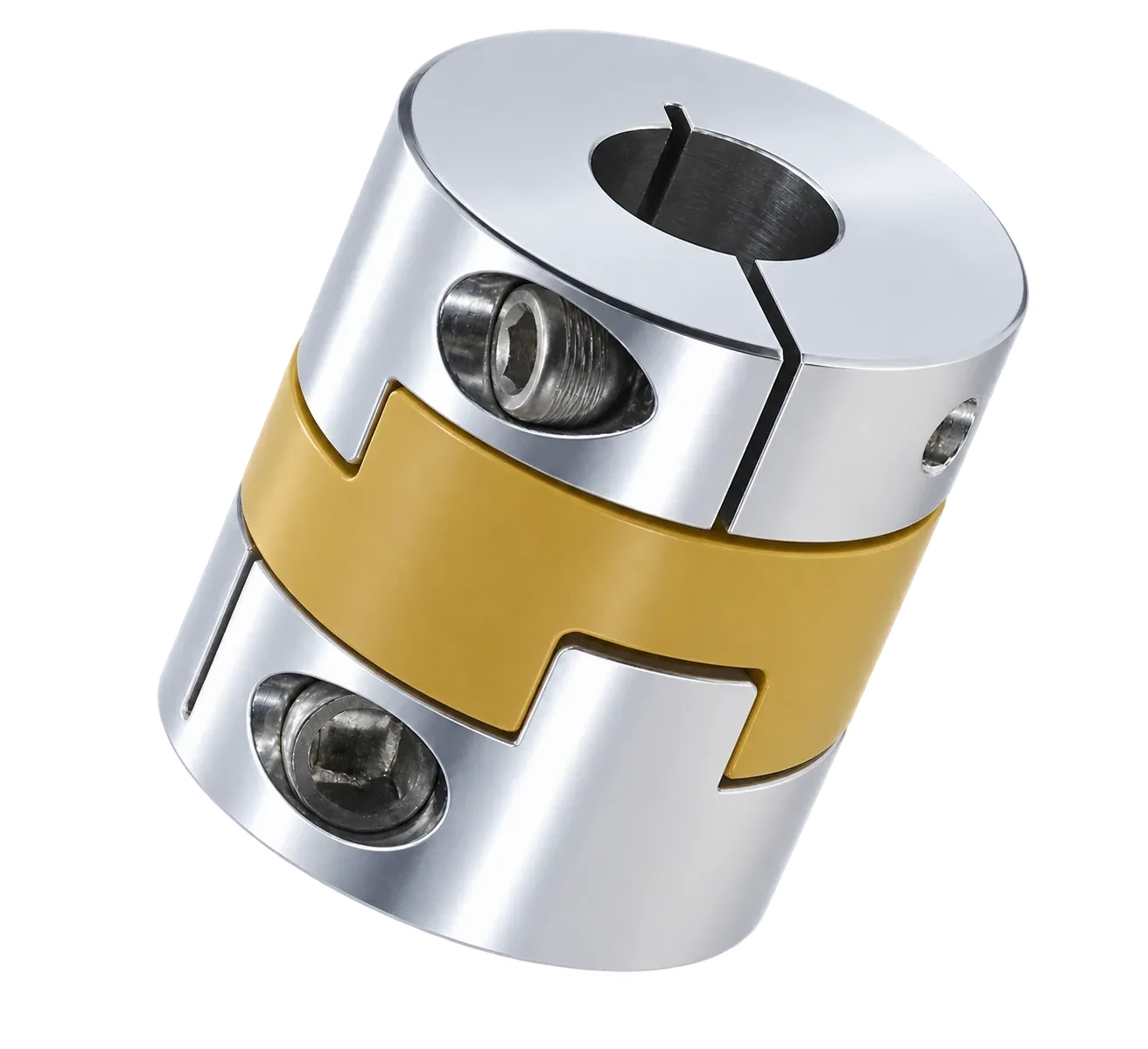
How to select a shaft coupling: NBK’s four steps, with the numbers that matter
NBK selects a coupling in four steps: pick the type from the application, the material from the environment, the size from torque, bore and space, and finally the shaft fastening method. Everything below is the detail that decides each step — including the temperature correction most engineers forget.
Read the guide
Type
Topic
7 articles
Application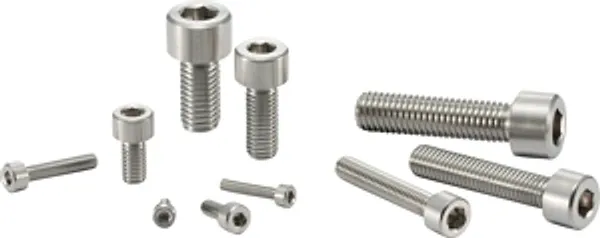 Selection guide
Choosing a special screw material: strength, heat, magnetism and chemicals — in numbers
A special screw is bought for one property the standard one lacks: it must be stronger, survive heat, stay non-magnetic, resist a chemical, or not seize. This is the comparison table for each of those four, with NBK’s own figures — and the one design rule that governs all of them. Application
Vacuum and cleanroom: which screws belong inside semiconductor equipment
A standard screw traps a pocket of air at the bottom of every blind hole, and that pocket bleeds into your vacuum for hours. Vented screws give it an exit. Around that one idea sits a whole discipline: cleanroom washing, captive heads, non-magnetic alloys and coatings that must never flake.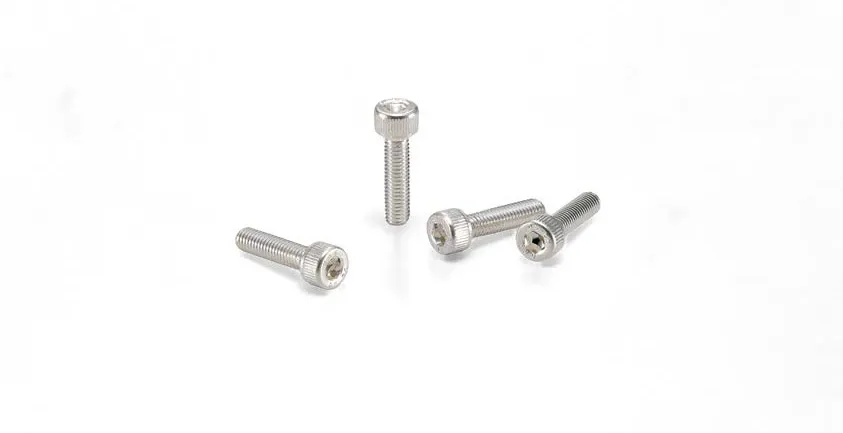 News
NewsNew product launches: June 2026
Three additions to NBK’s special screw range this month: the vented flanged socket head cap screw SVFSS-AG with silver plating, and the PEEK plastic screws SPE-C and SPE-LC. Full specifications on nbk1560.com.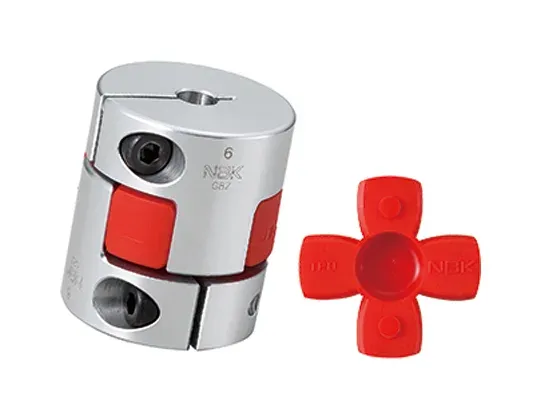 Application
Installing a jaw coupling (MJC · MJS): insertion depth, tightening torque, and the four mistakes that break them
A jaw coupling fails for one of four reasons: the shaft was not inserted to the full hub length, the clamp screw was tightened by feel instead of to a torque figure, a D-cut sat on the slit, or nobody left the hub clearance. All four are avoidable in ten minutes.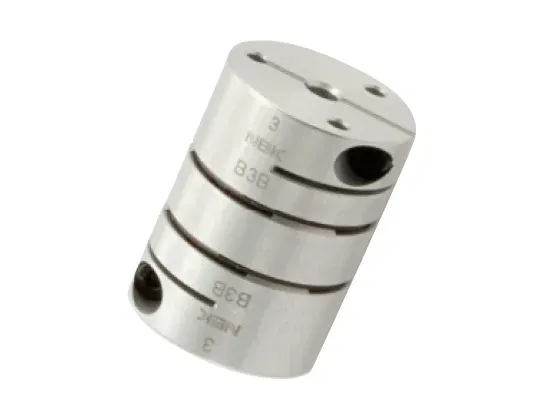 Technical explainer
Zero backlash, compared: disc, bellows, slit and rubber — and exactly where jaw couplings stop
Disc, bellows, slit, high-gain rubber and rigid couplings are zero-backlash by construction. Jaw couplings are only zero-backlash below a specific torque — 1.2 N·m on an MJC-40, and NBK publishes no such figure above size 40 at all. That single column decides many servo designs.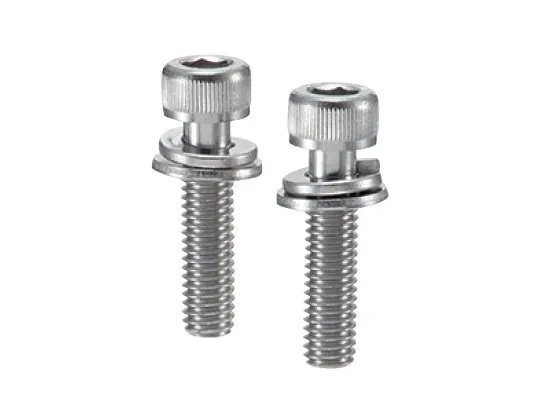 News
NewsNew product launches: May 2026
One addition to NBK’s special screw range this month: the SNSQS-LW, a stainless socket head cap screw with a captive large flat washer for slotted holes. Full specifications on nbk1560.com.No articles match these filters.
Need this answered for your machine?
Send us your load case, misalignment and environment. Our engineers respond within 24 hours.